KCIS Conference 2025 | Kingston, ON
November 18-20, 2025
Conference Details Below
\/
Home / Conference / KCIS 2025
page updated: Feb. 11, 2026
In an era of growing geopolitical tensions, cyber threats, and economic vulnerabilities, maritime security is a critical concern for North America and Europe. This conference brings together defence leaders, military practitioners, and academics to assess emerging threats to maritime trade, undersea infrastructure, and naval operations. Discussions will explore the impact of global disruptions, the role of naval forces in deterrence, and the need for transatlantic cooperation to safeguard economic stability and uphold the rules-based international order. Through expert panels, strategic dialogues, and case studies, participants will gain insights into strengthening resilience, enhancing capabilities, and shaping future maritime security strategies.
Join us from November 18-20 at the Holiday Inn Kingston Waterfront Hotel and Conference Centre.

-
Opening Reception - Fort Frontenac Officers Mess
1800 Reception Starts
1830 Opening Remarks and Introductions
Howard Coombs, Centre for International and Defence Policy
Keynote Address: Stephen Mariano, Provost, US Naval War College
2100 Reception Ends
-
Day 1 - Bellevue Room, Holiday Inn Kingston Waterfront
0645 Breakfast (Islandview Room)
0700 Registration (Bellevue Room)
0815 Welcome Announcement and Land Acknowledgement
Dave Forbes, CIDP Canadian Armed Forces Visiting Defence Fellow
0830 Challenge to the Conference
Shawn Guilbault, Canadian Defence and Security Network VDF
0845 Opening Keynote
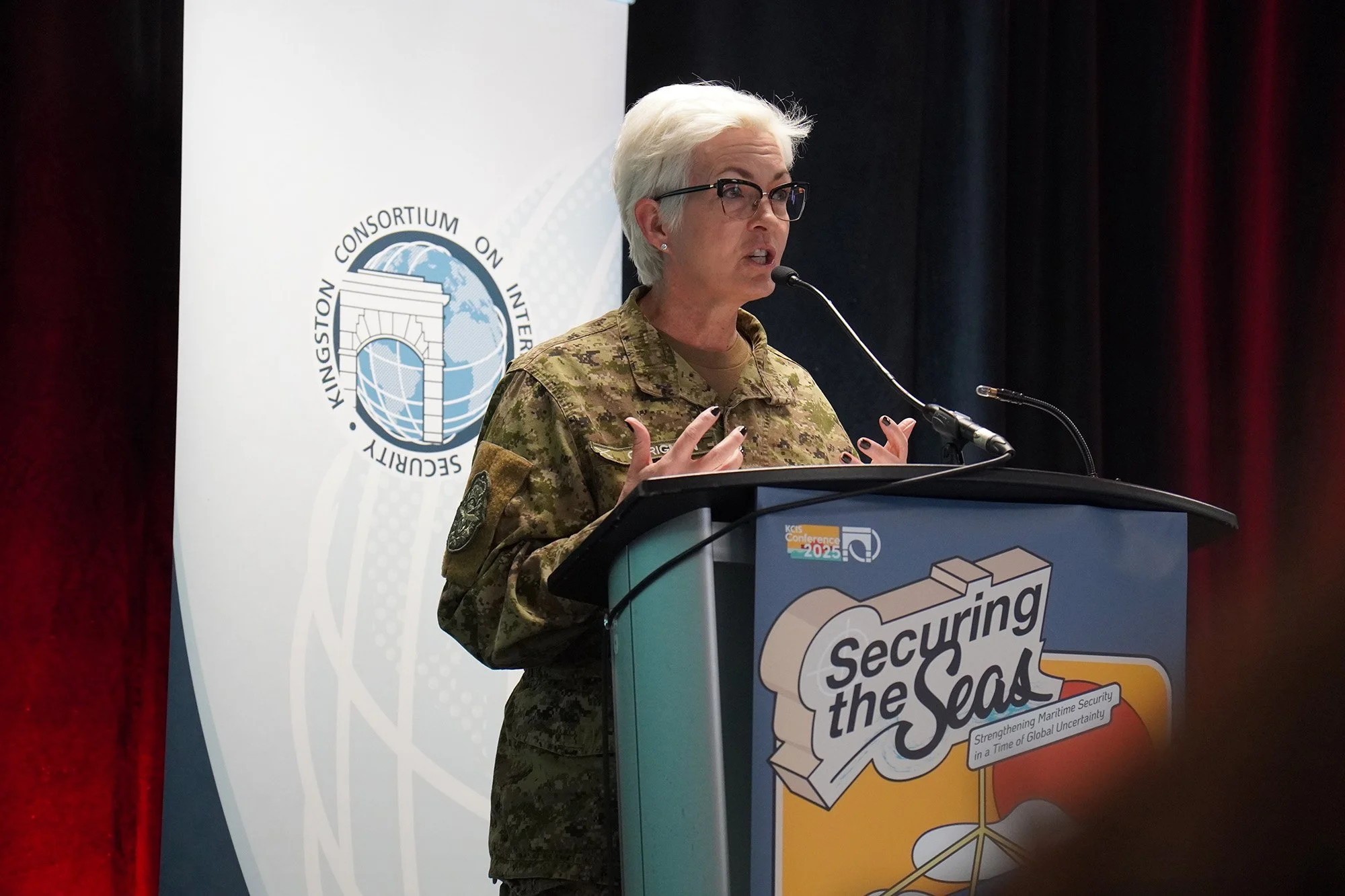
Gen Jennie Carignan, Chief of Defence Staff, Canadian Armed Forces
Introduction: Patrick Deane, Principal, Queen’s University
Moderated by: Matthew Evans, Provost, Queen’s University
0930 Brief Intermission
0945 Panel 1: Historical Evolution of Maritime Security: International Perspectives
This opening panel examines the historical development of maritime security through North American and European lenses. Researchers will explore the evolution of naval strategies, the impact of transatlantic trade, and cooperative efforts in addressing piracy and maritime threats. Topics include the role of European empires in shaping early maritime security, the evolution of North American navies, and their part in establishing Western maritime security perspectives. The panel highlights shared challenges and strategies that have shaped maritime security, offering insights for addressing contemporary global threats in the maritime domain.
Moderated by: Tanya Grodzinski, Royal Military College of Canada
Rich Gimblett, former Command Historian Royal Canadian Navy
Evan Wilson, US Naval War College
Hugues Canuel, CDA Singapore
1115 Break
1145 Panel 2: Autonomous Maritime Strategy: Does Technology Drive National Security Choices?Whether budgets rather than objectives are the valid driver of strategic choice is a perennial debate in democracies. Many have argued that—in reality—defence budgets, not strategies, are the primary arbiters of national security decision-making; others bemoan that formal strategic planning seems to have no practical effect on developing defence programs. This is a continuing issue in US Navy resource decisions and program development and appears to also affect Canadian defence. The panel will examine an additional emerging factor (and question) that expands this debate—will future technology drive our strategic choices, shaping budgets (although also limited by them) and further reducing the impact of strategic plans? This question will be examined from both technological (cyber, AI, etc.) and strategic points of view and include a discussion of the budget-dominant argument.
Moderated by: Sam J. Tangredi, Leidos Chair of Future Warfare Studies, U.S. Naval War College
Peter Dombrowski, Ruger Chair of National Security Economics, U.S. Naval War College
Chris C. Demchak, Rear Admiral Grace Hopper Chair of Cyber Security, U.S. Naval War College
James Cook, Professor of National Security Affairs, U.S. Naval War College
1315 Lunch
1415 Panel 3: Emerging Threats from Below, New Naval Capabilities for the Future
This session explores the influence of technological disruption on the domain of maritime security, with particular focus on autonomous underwater vehicles, maritime drones, and quantum sensing. Far from being mere modern torpedoes, these systems represent a fundamental shift in naval warfare, enabling persistent surveillance, networked swarming, and human-machine teaming. In addition to discussing the technical advantages offered by these emerging technologies, this session also explores how the 19th-century Jeune École naval doctrine—centered on asymmetric warfare and technological disruption—offers a valuable framework for understanding the strategic impact of maritime drones and autonomous underwater vehicles. Contemporary revolutions in the maritime battlespace echo Jeune École’s ethos while ushering in a new era of distributed, intelligent, and cost-effective naval power.
Moderated by: Michael Barefoot, Canadian Forces College
Paul Mitchell, Canadian Forces College
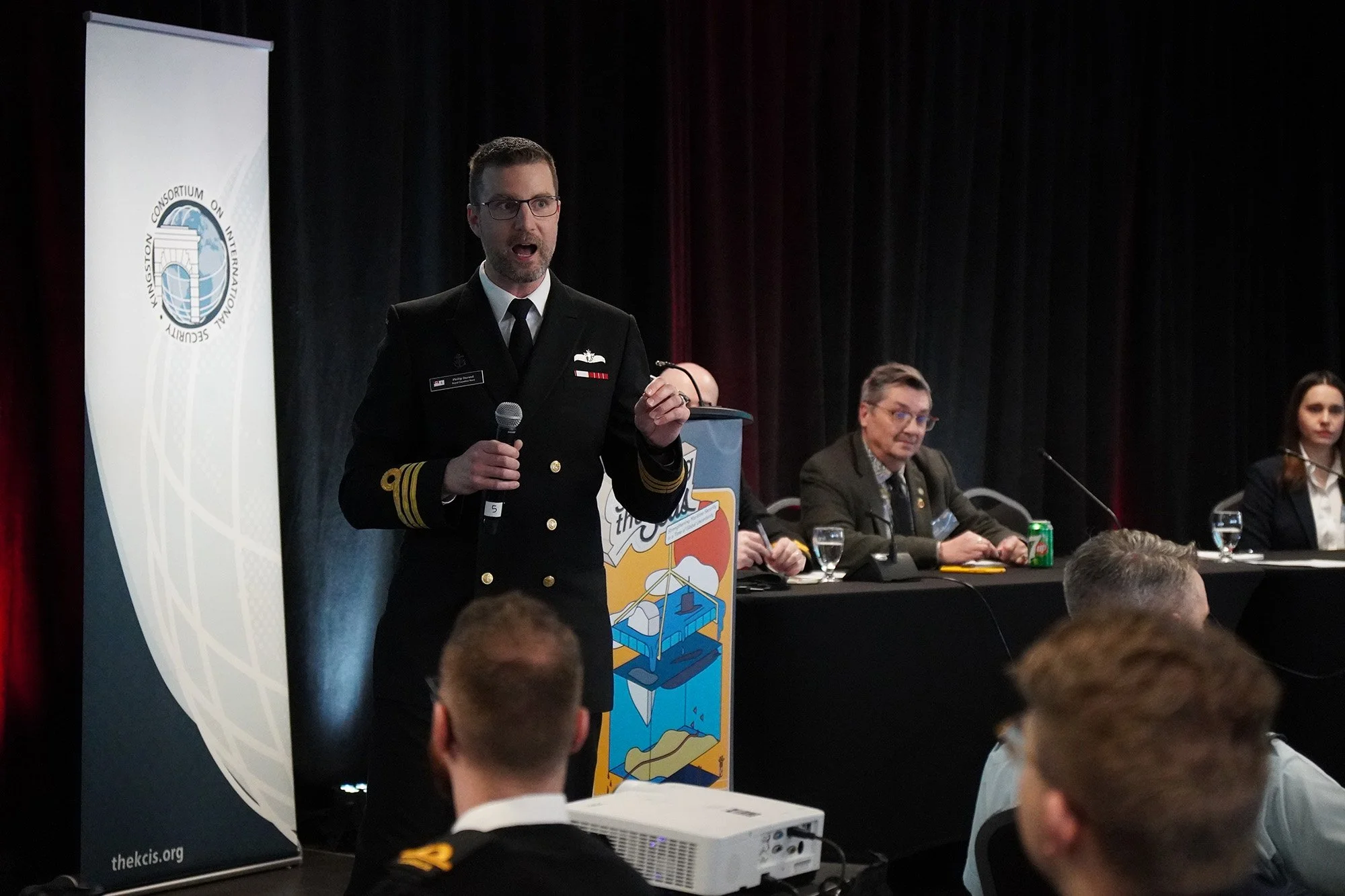
Phillip Durand, Director of Naval Requirements 4, Naval Warfare Systems, Royal Canadian Navy
Alex Maierean, Co-founder and CEO, Phantom Photonics
1545 Break
1615 Keynote
RAdm Jason Armstrong, Chief of Naval Capabilities, Royal Canadian Navy
Moderated by: Gaëlle Rivard-Piché, Conference of Defence Associations
1700 End of Session
————————————————
1900 Maritime Security Wargame
Introduction: Michael Barefoot, Canadian Forces College
Presented and facilitated by the Canadian Joint Warfare Centre (CJWC) Wargaming section, and based on a series of actual wargames, this game event will highlight the importance of logistics, maneuverability, and the integration of multi-domain operations, including land, sea, air, space, civil, and military assets in one of the most challenging maritime regions on the globe.
Players will represent commanders and advisors, from North America or Russia, with asymmetric objectives. "Don't panic" The game is fun, challenging and easy to play.
-
Day 2 - Bellevue Room, Holiday Inn Kingston Waterfront
0700Breakfast (Island View Room)
0730Registration (Bellevue Room)
0825 Welcome and Announcements
Nicolas Gauthier, CIDP Canadian Armed Forces Visting Defence Fellow
0830 Keynote
Jon-Åge ØYSLEBØ, Deputy Head of Mission, Norway
Moderated by: Michael Lynch, US Army War College
0915 Panel 4: NATO, Maritime Security and the Undersea: Challenges and Opportunities
NATO’s 2022 Strategic Concept highlights maritime security as crucial for prosperity and peace, emphasizing the link between the global economy and international stability. With over 80% of trade, two-thirds of oil and gas resources, and 95% of data transmissions dependent on maritime flows, any disruption – including in the undersea environment - poses significant risks. Recent threats, such as the 2023 Red Sea disruption, have driven up shipping costs, burdened economies, and strained the rules-based international order. However, the effectiveness of naval forces in safeguarding these flows remains uncertain, posing a strategic challenge for NATO in capability investment and force positioning. This panel will explore NATO’s posture in safeguarding maritime security in different geostrategic areas, also discussing the strategies and actions of its adversaries and competitors in the different theaters and highlighting synergies with other maritime security players. Ensuring resilient maritime flows is essential to NATO’s role in economic security and global stability, reinforcing its strategic importance in an increasingly unstable world.
Moderated by: Eric De Landmeter, Head Policy & Engagement, NATO Defense College
Sarah Kirchberger, Academic Director, Institute for Security Policy at Kiel University (ISPK)
James Henry Bergeron, Political Advisor to the Commander, Allied Maritime Command
Rob Watt, Director of Naval Strategy, Royal Canadian Navy
1030 Health Break
1100 Panel 5: The Arctic Frontier: Maritime Security and Opportunities in Polar Regions
As changing weather patterns accelerate Arctic ice melt, new opportunities and challenges emerge for maritime security. This panel explores the geopolitical, environmental, and economic implications of increased Arctic shipping, resource exploration, and military activity. Experts will discuss legal frameworks, regional cooperation, and the role of local communities in ensuring agile, sustainable and secure maritime operations in the Arctic.
Moderated by: Alexis Dieryckx, Northern Approaches Branch, Strategy and Policy Division, NORAD and USNORTHCOM
Andrea Charron, Director, Centre for Defence and Security Studies, University of Manitoba
Preston McIntosh, Maritime Component Command (MCC)
Ray Snook, British Defence Liaison, British High Commission
1230 Lunch
1330 Closing Keynote
Lieutenant-General Blaise Frawley, frmr Deputy Commander, NORAD
Moderated by: Andrea Charron, Centre for Defence and Security Studies, University of Manitoba
1415 Closing Remarks
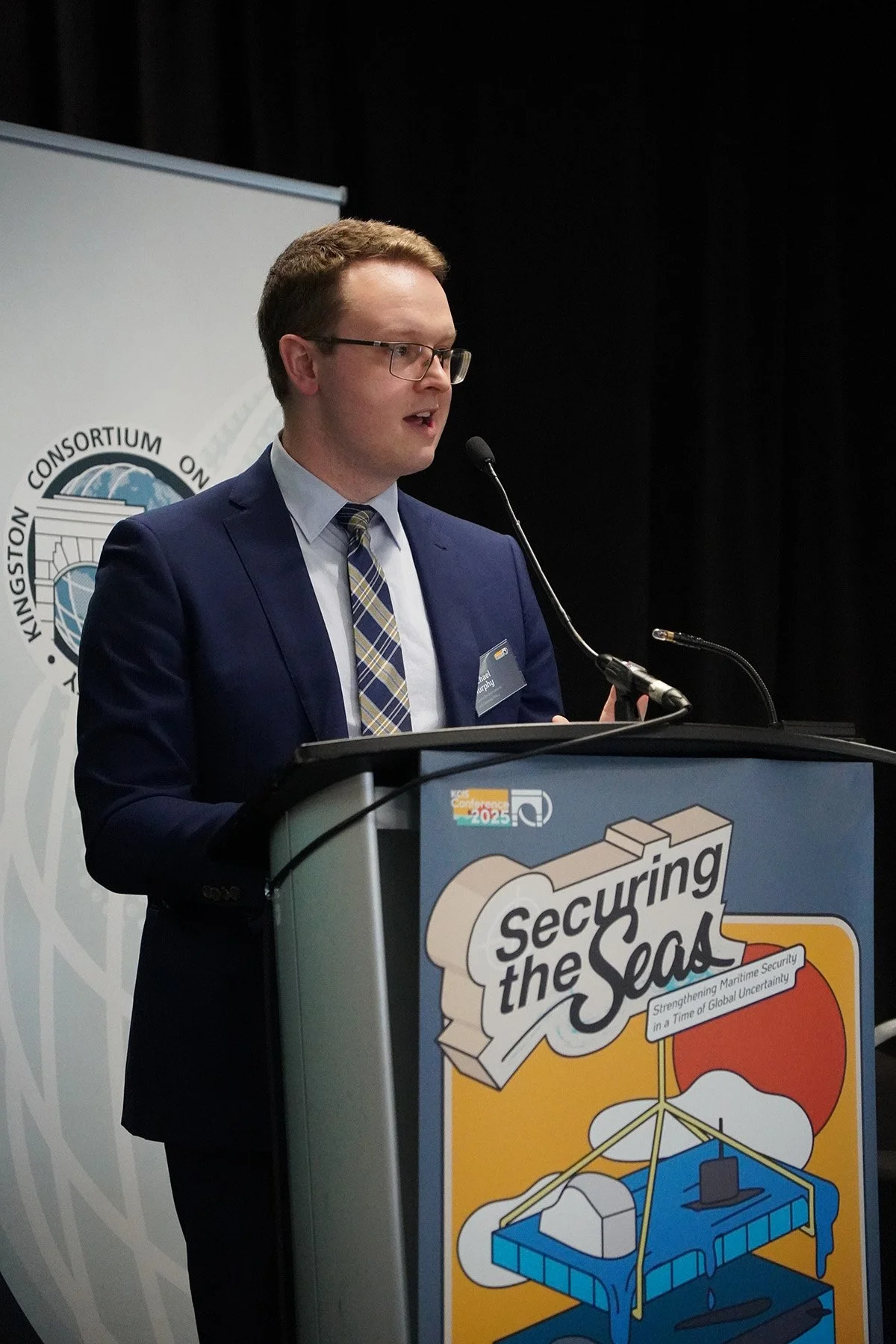
Michael Murphy, Director, Centre for International and Defence Policy
Programme

Videos
Rewatch the opening keynote and all other presentations on the KCIS YouTube Channel. Videos are being added weekly.
Photos
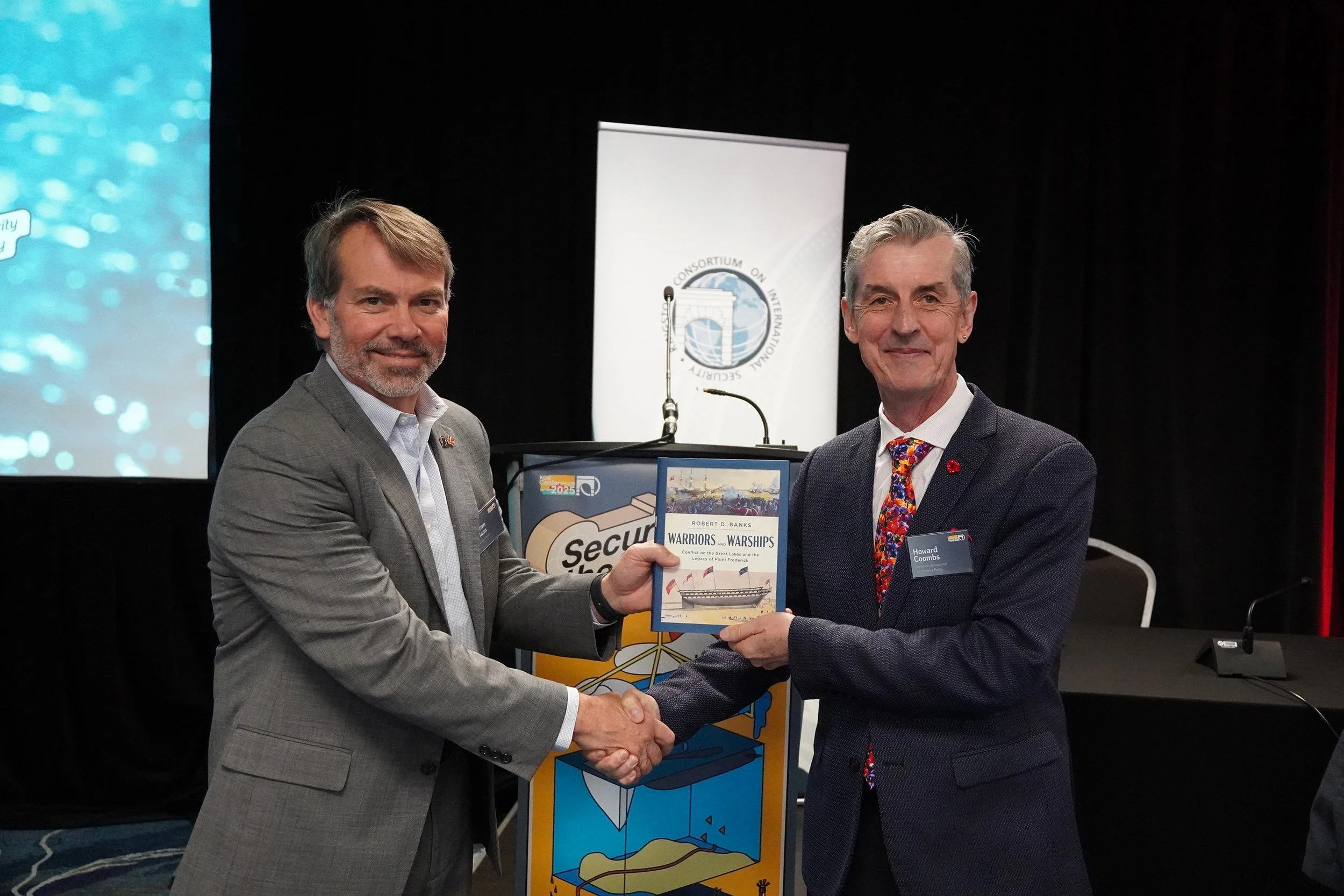
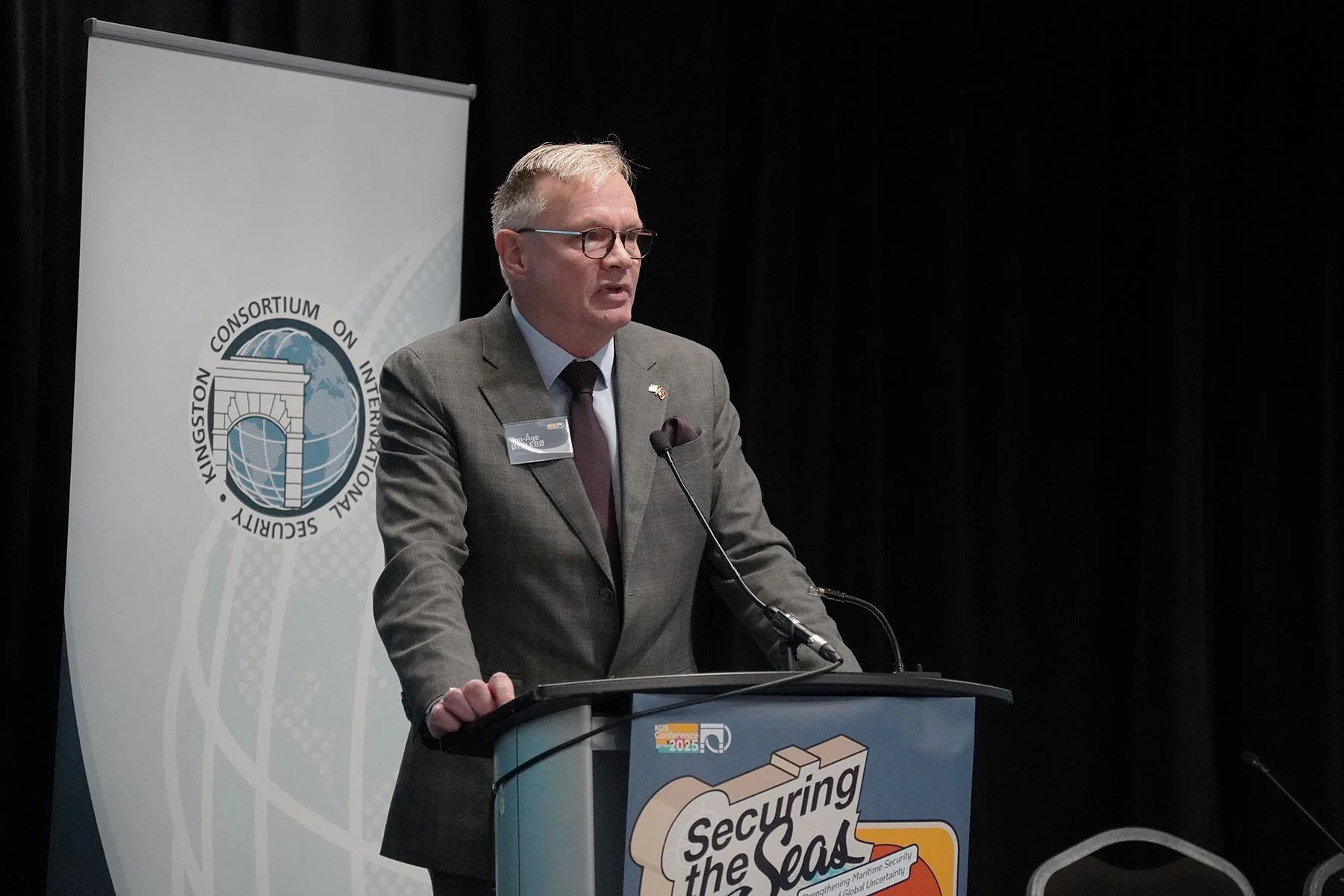
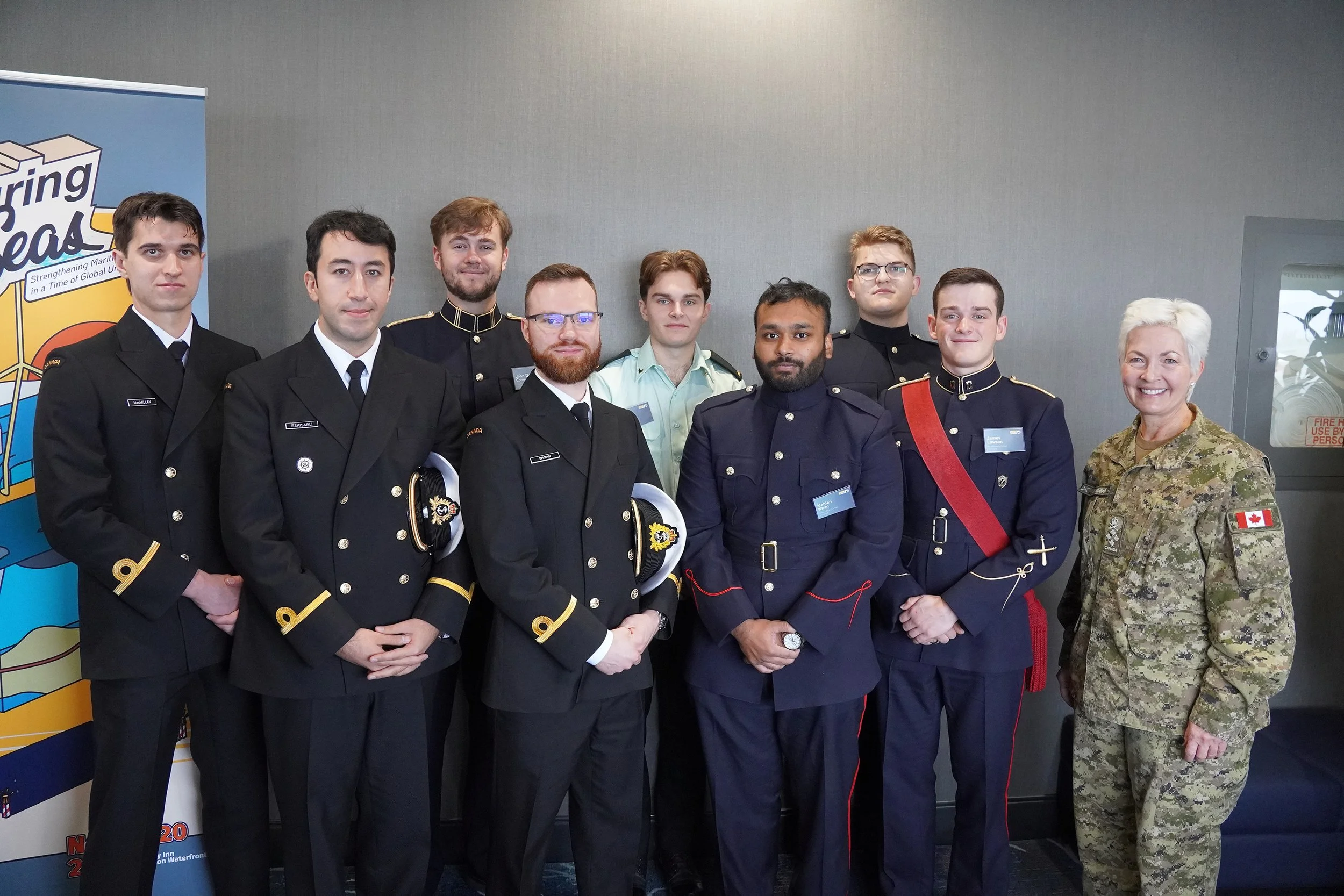
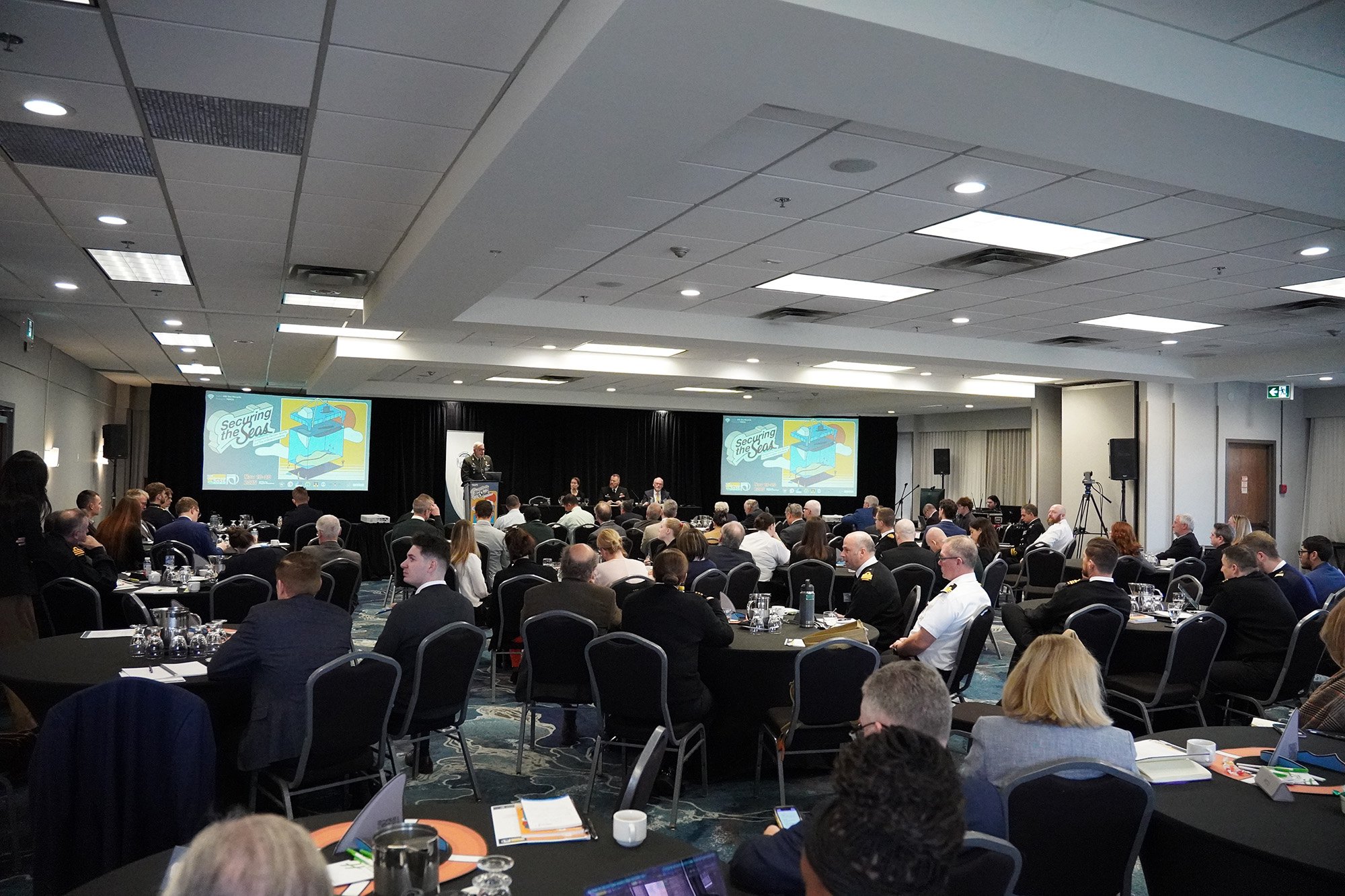
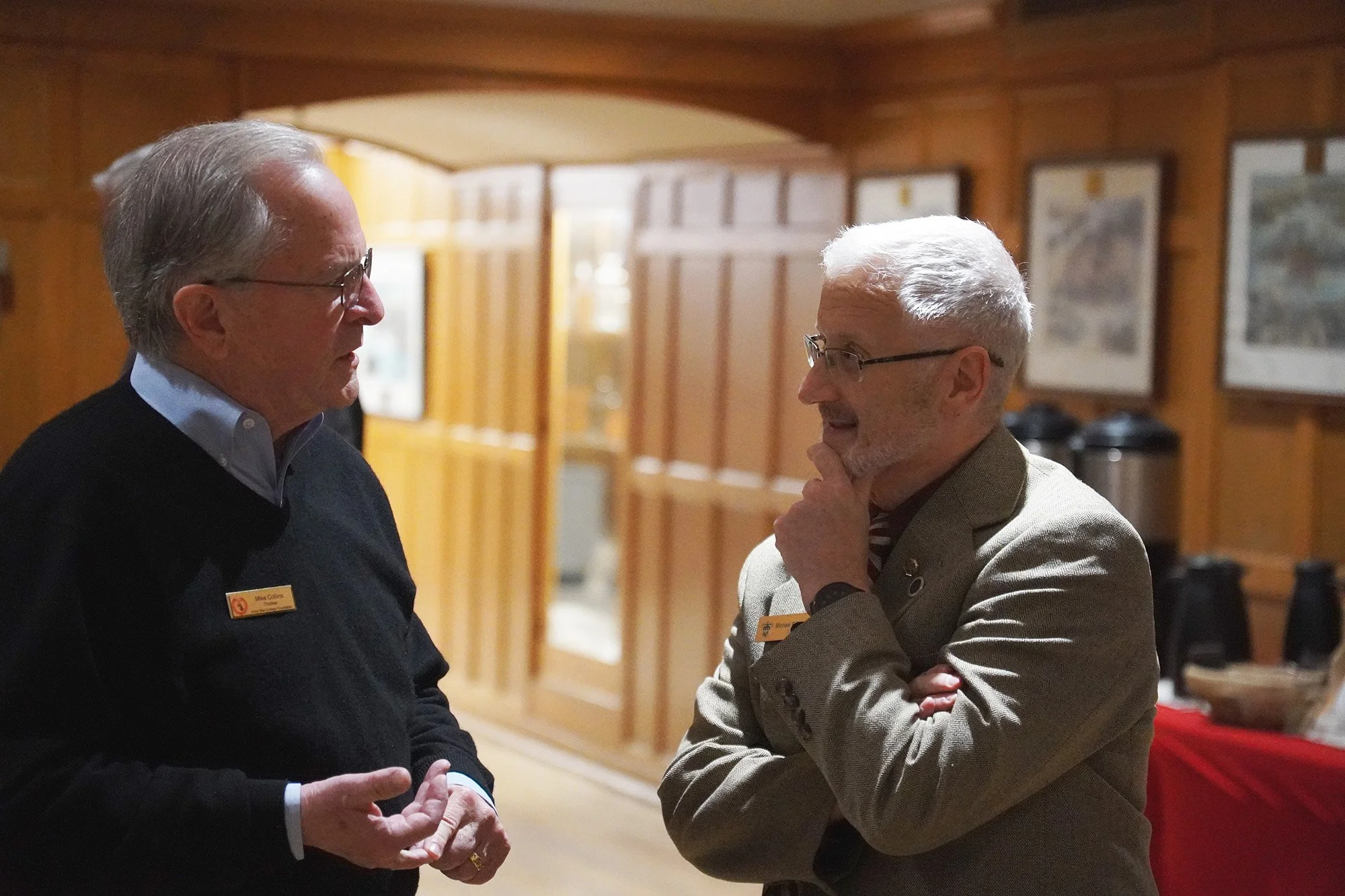
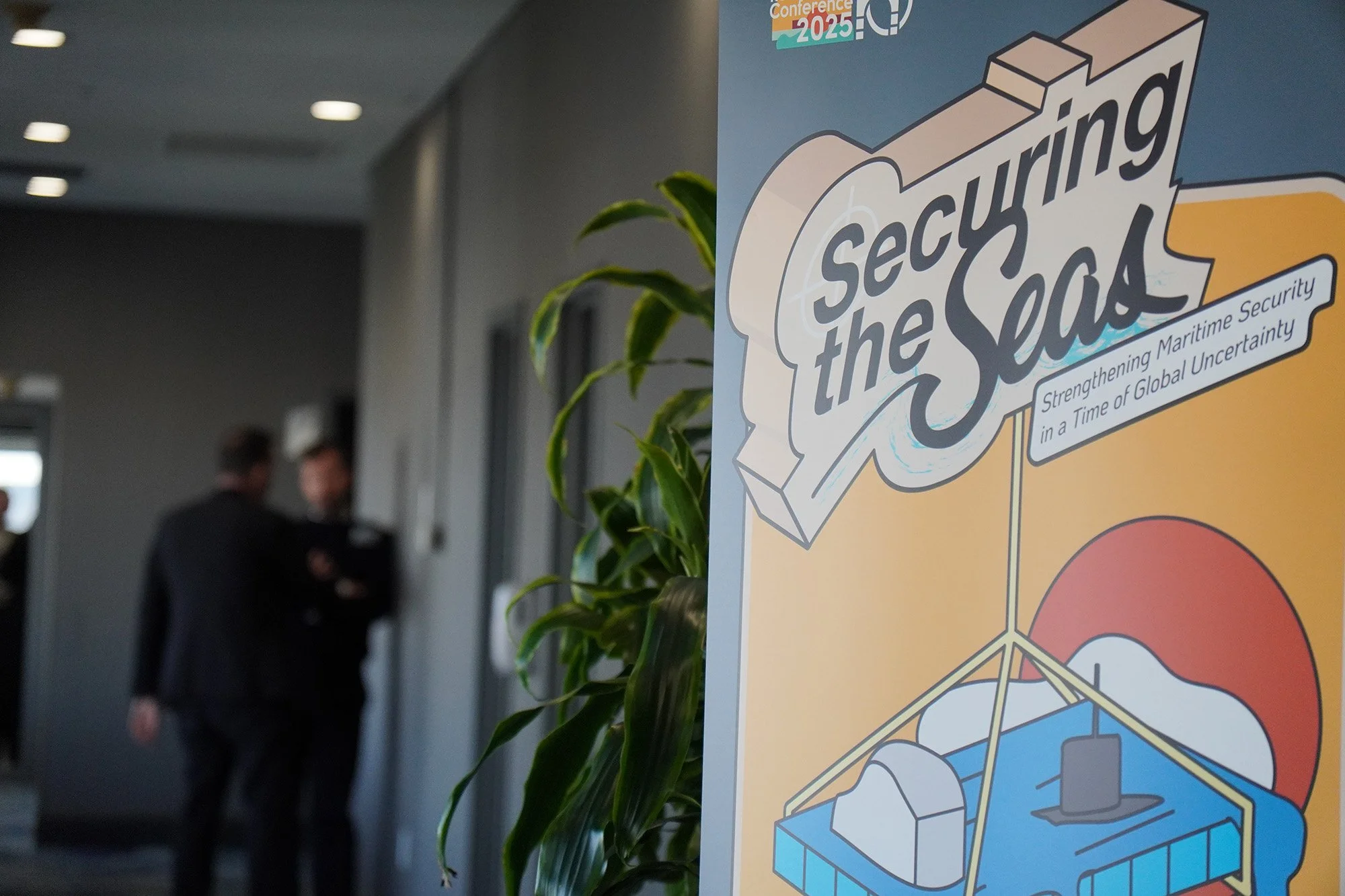
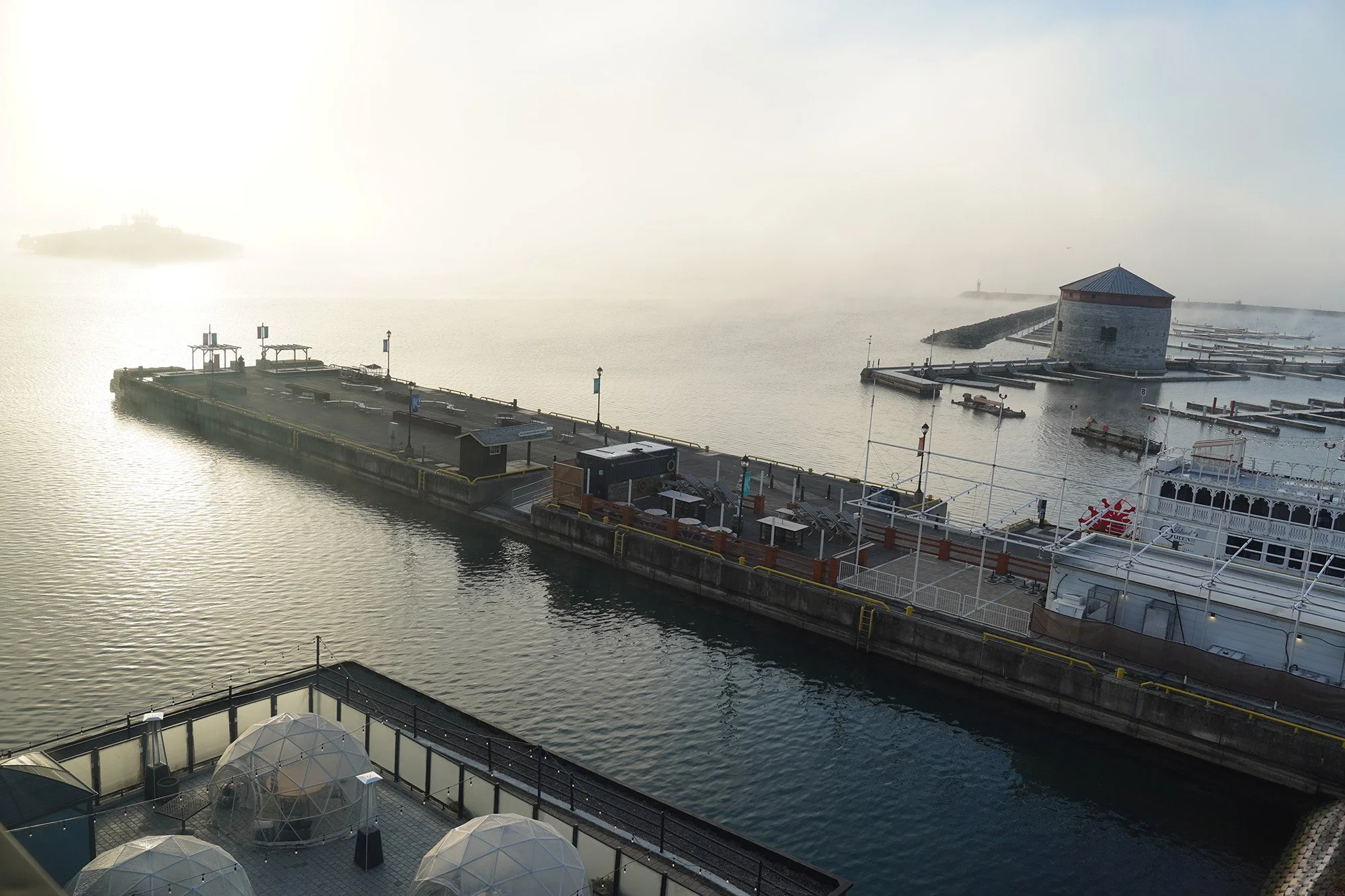
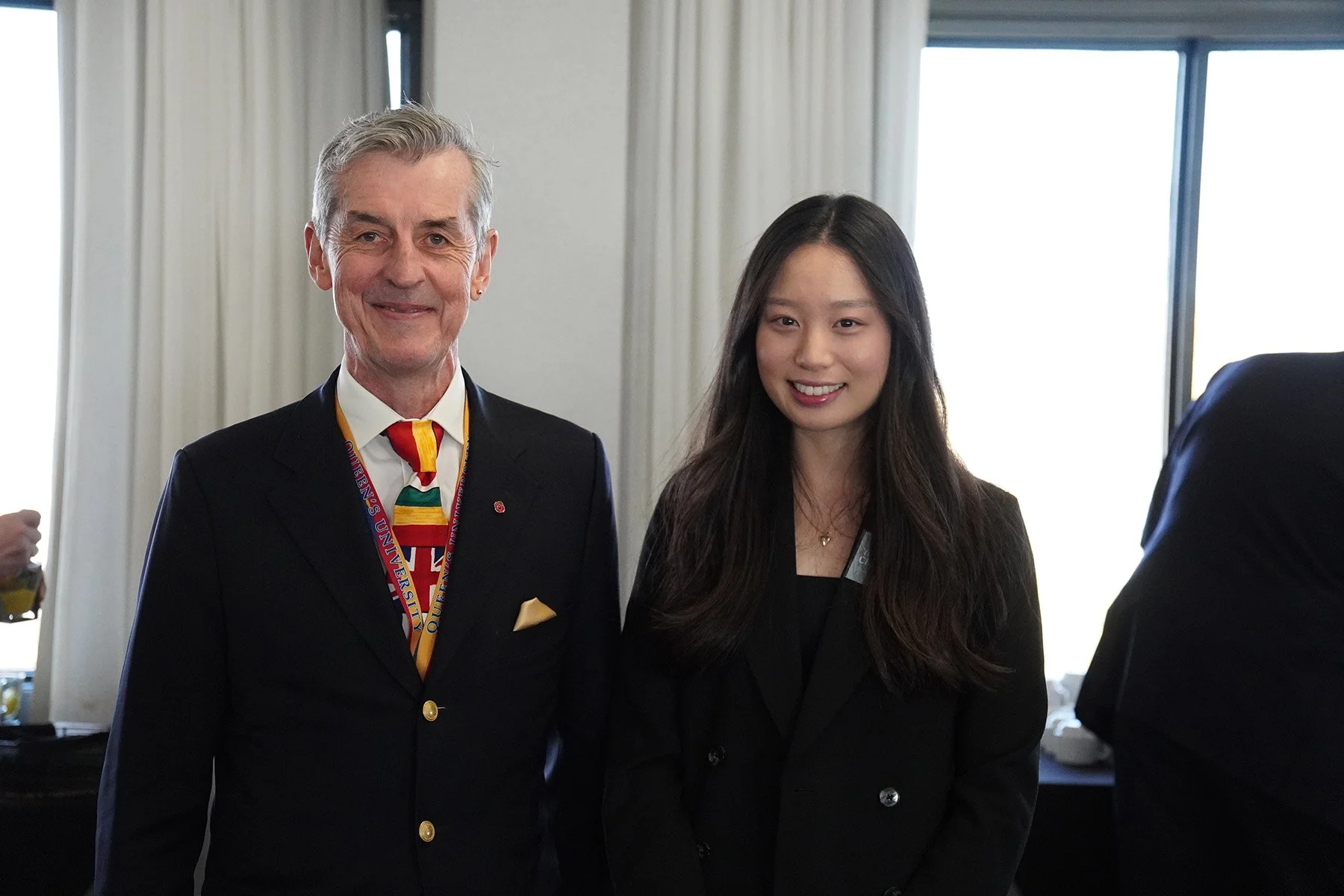
Speakers & Panelists
click on names for full biographies
Day One
Announcements and Challenge to the Conference
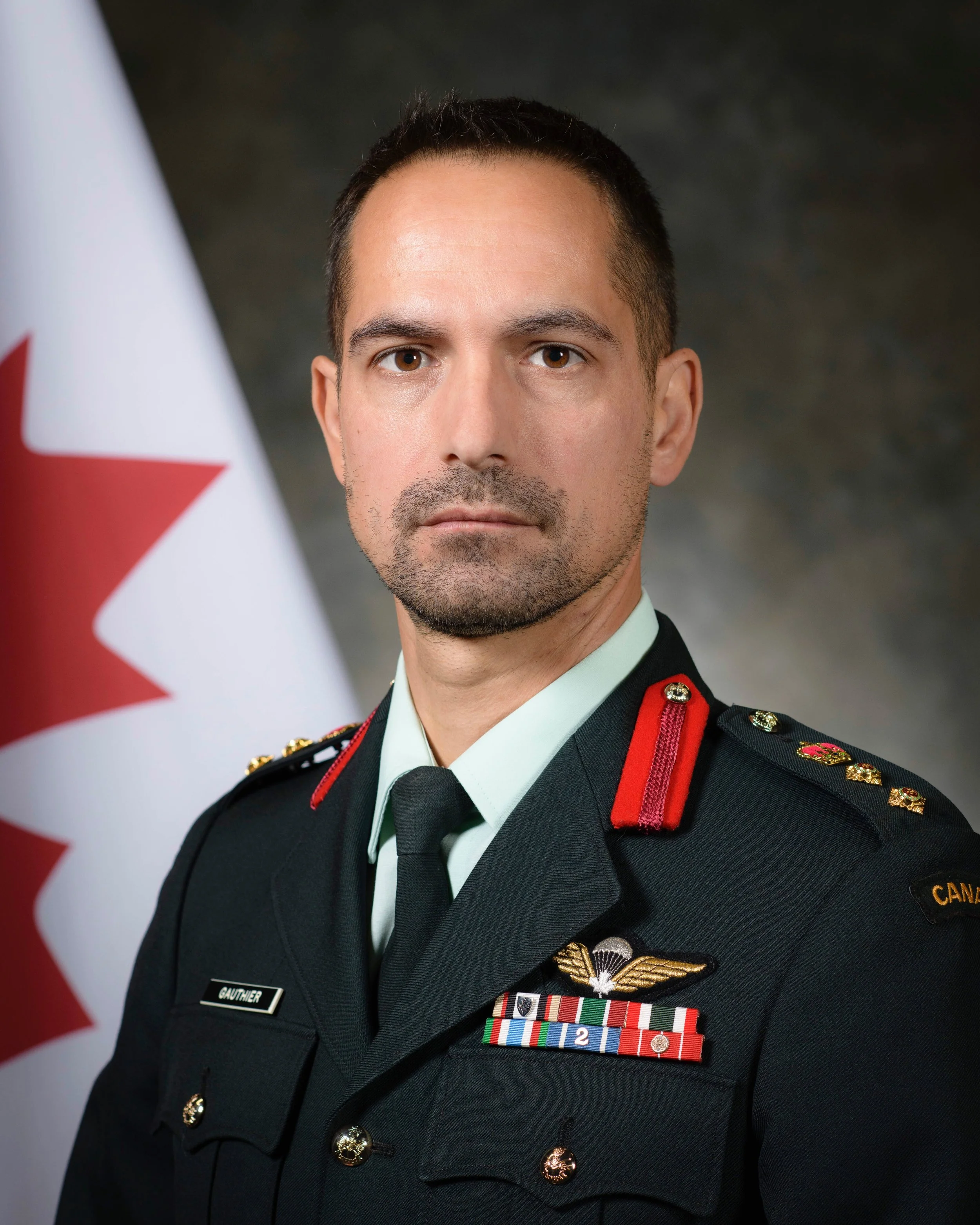
Col Nicolas Gauthier, CIDP CAF VDF

Col Dave Forbes, CIDP CAF VDF

LTC Nicholas Currie, CIDP USAWC VDF

Col Shawn Guilbault, CDSN VDF
Opening Keynote

Patrick Deane, Principal, Queen’s University

Chief of Defence Jennie Carignan, Canadian Armed Forces
Panel 1 - Historical Evolution of Maritime Security: International Perspectives

Dr. Tanya Grodzinski, Royal Military College of Canada
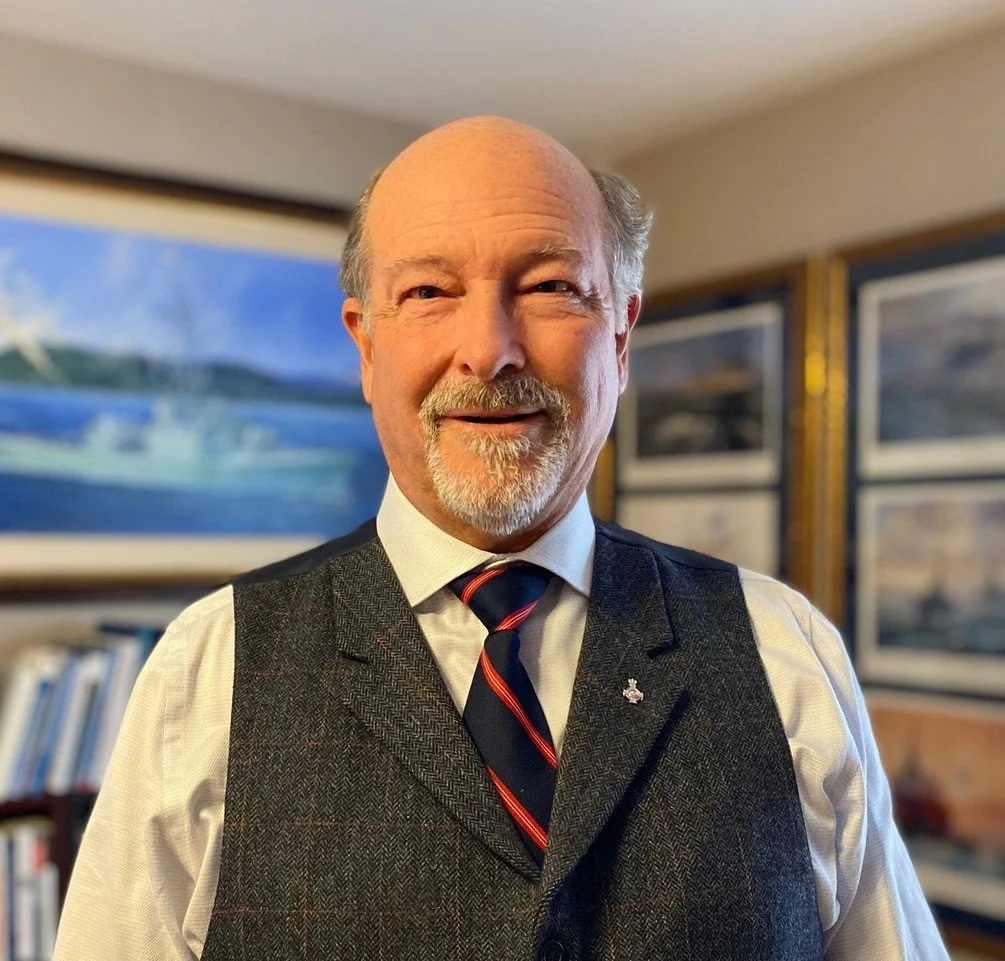
Dr. Rich Gimblett, former Command Historian RCN
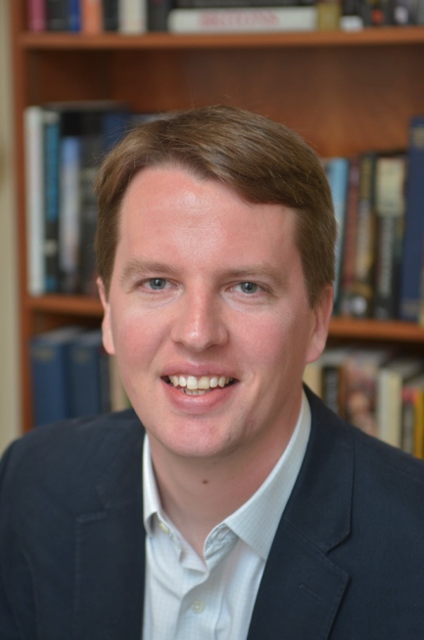
Dr. Evan Wilson, U.S. Naval War College
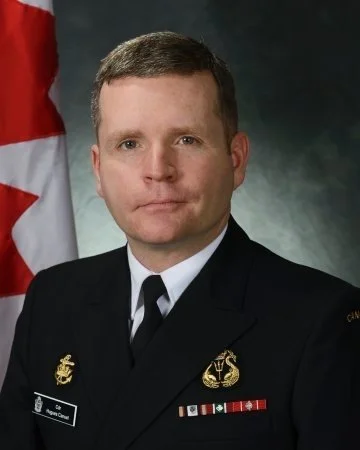
Captain Hugues Canuel, RCN, CDA Singapore
Panel 2 - Autonomous Maritime Strategy: Does Technology Drive National Security Choices?
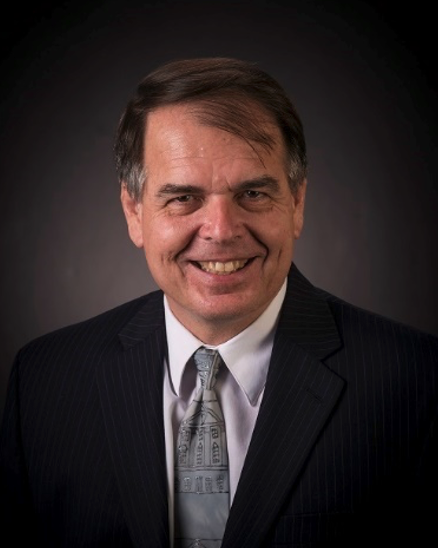
Dr. Sam J. Tangredi, U.S. Naval War College
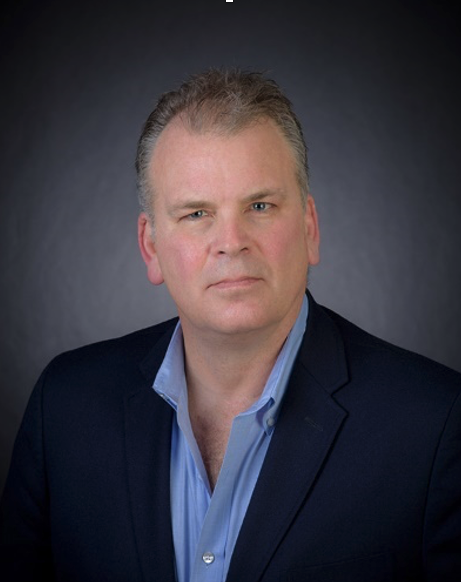
Dr. Peter Dombrowski, U.S. Naval War College
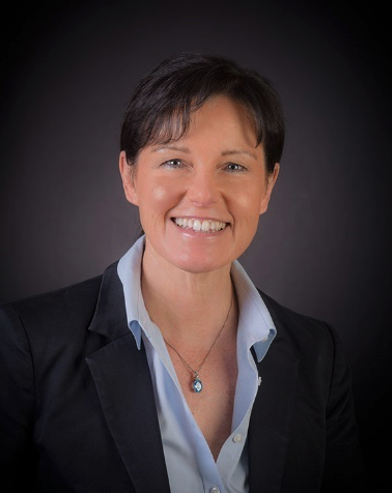
Dr. Chris C. Demchak, U.S. Naval War College

James Cook, U.S. Naval War College
Panel 3 - Emerging Threats from Below, New Naval Capabilities for the Future
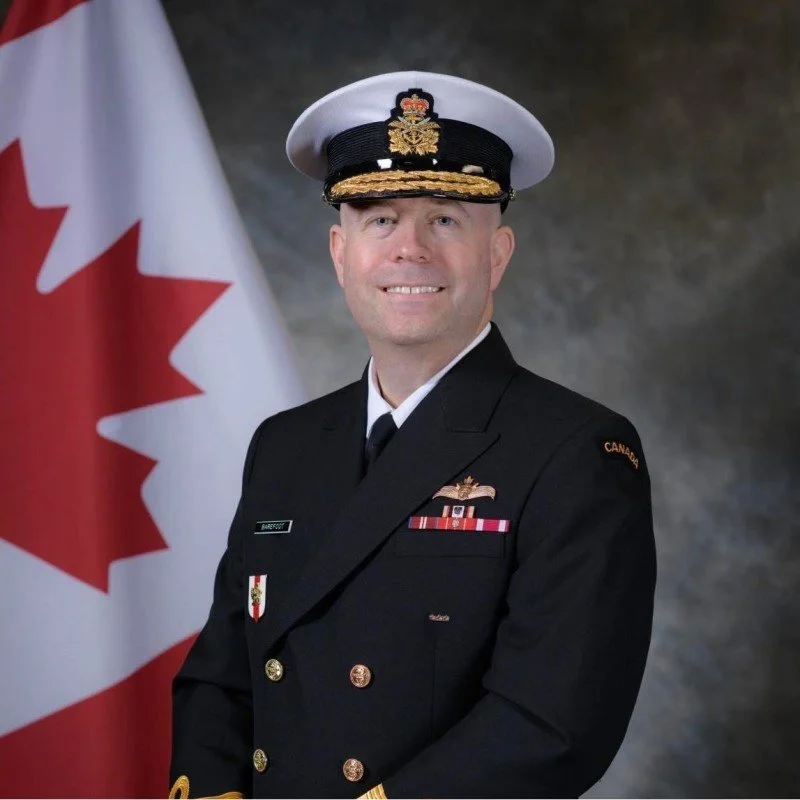
Cmdre Michael Barefoot, Canadian Forces College

Dr. Paul Mitchell, Canadian Forces College
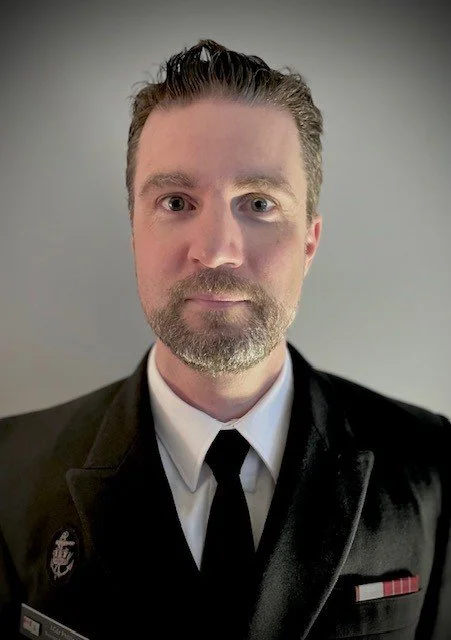
Commander Phillip Durand, Royal Canadian Navy

Alex Maierean, Phantom Photonics
Keynote Address

Gaëlle Rivard Piché, Conference Defence Association

Rear Admiral Jason Armstrong, Chief of Naval Capabilities, Canadian Armed Forces
Day Two
Keynote Address

Michael Lynch, US Army War College
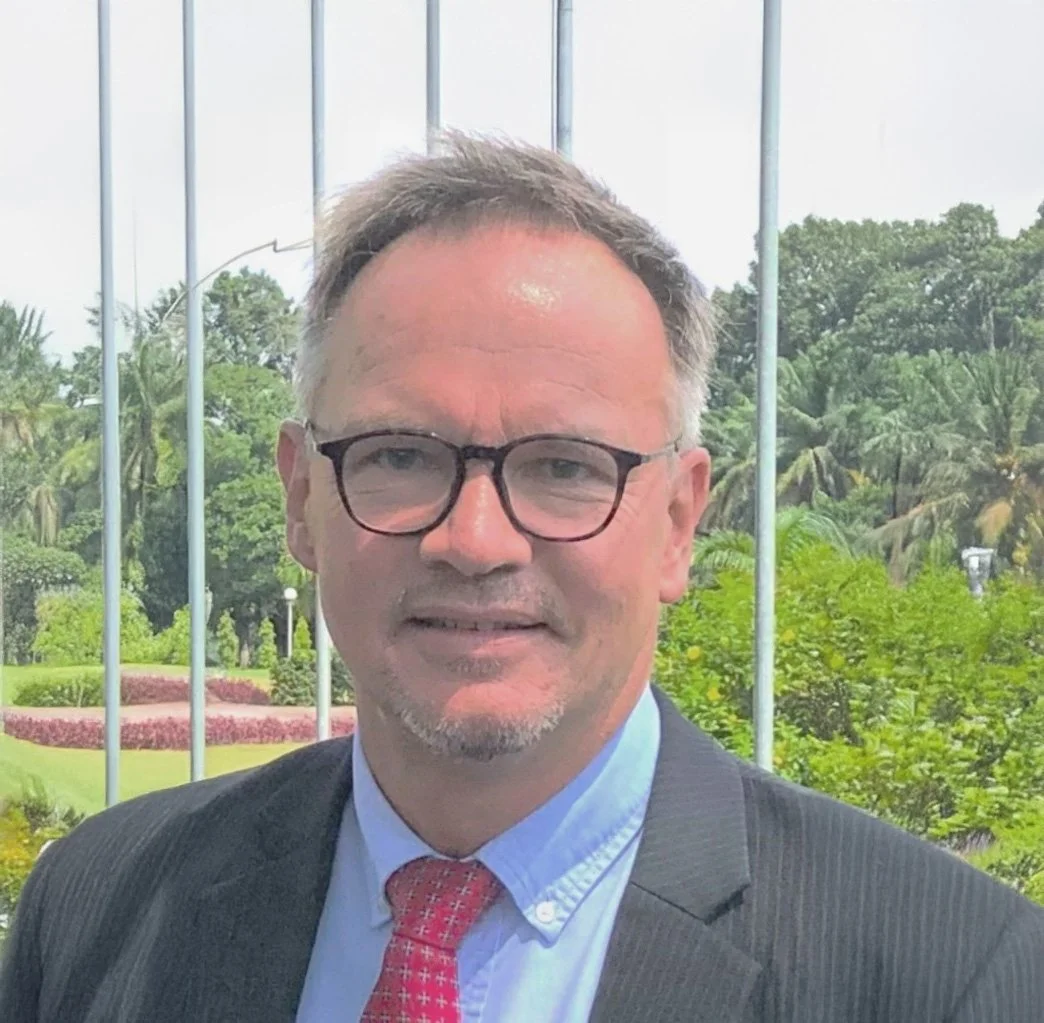
Mr. Jon-Åge ØYSLEBØ, Deputy Head of Mission, Norway
Panel 4 - NATO, Maritime Security and the Undersea: Challenges and Opportunities

Col Eric De Landmeter, NATO Defense College
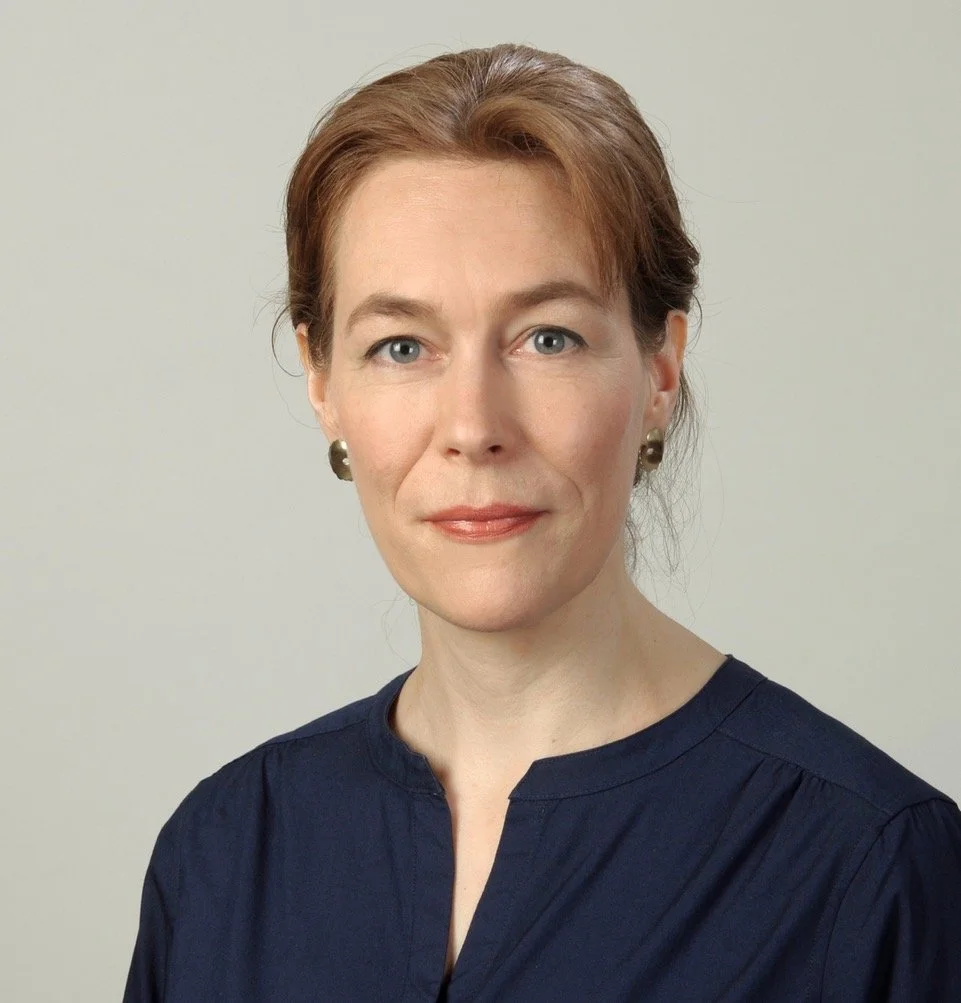
Dr. Sarah Kirchberger, Institute for Security Policy

James Henry Bergeron, Allied Maritime Command
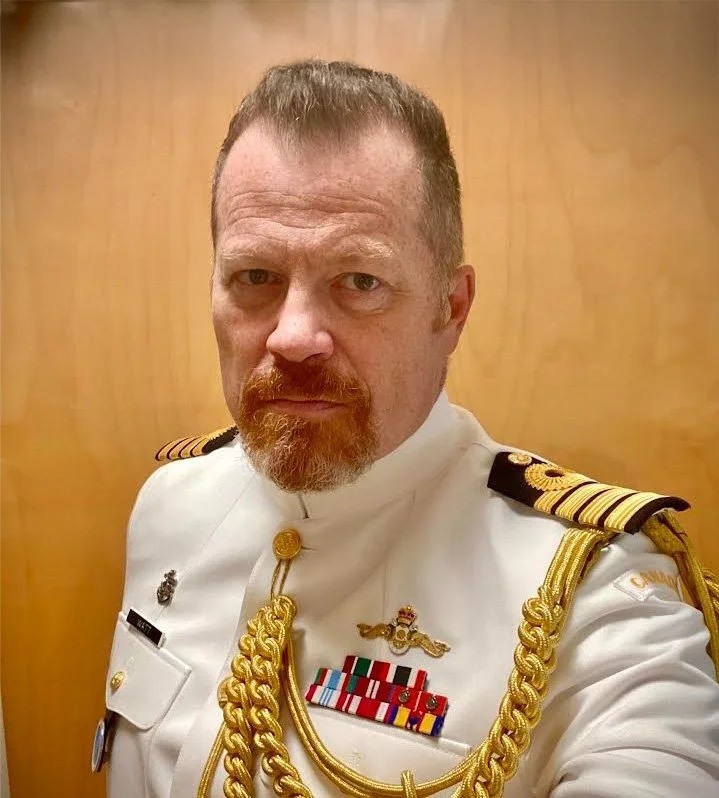
Captain (N) Rob Watt, Royal Canadian Navy
Panel 5 - The Arctic Frontier: Maritime Security and Opportunities in Polar Regions

Cdr Alexis Dieryckx, NORAD and USNORTHCOM

Dr. Andrea Charron, University of Manitoba

Capt (N) Preston McIntosh, Maritime Component Command

Cdr RN Ray Snook (Ret), British High Commission
Closing Keynote
Dr. Andrea Charron, University of Manitoba

Lieutenant-General Blaise Frawley, frmr Deputy Commander, NORAD

Registration
The Minister of National Defence has approved CAF and DND attendance at KCIS2025, to include both registration and travel expenditure. Local budget managers may approve attendance from local budgets, without need to seek additional authorization for event or conference approval.
*Note: If your workplace maintains a firewall (D1 or other) please be aware that you may have difficulty registering. If this is the case, it is recommended that you register from a personal computer on a home network.
-
Registrants attending KCIS have access to a discounted rate ($179.00/night, +taxes)* at the conference hotel by using the link below to book their room. Click on the link below:
*please note that this rate is only available until November 7th, 2025. Standard room rates will apply after this date.
-
details to come….
-
For CAF Members
For the Reception: Business Casual
For the two days of the conference: 3B
For US Military
For the Reception: Business Casual
For the two days of the conference: Class B -
Photo ID will be required to receive registration credentials at the Venue.
There are no “partial” or “day” rates for registration.
Refunds & SubstitutionRegistration fees are non-refundable, however substitution of registrants is permitted. Please notify us by November 5, 2025 if you wish to arrange for a substitute on your registration.
In the event that a registrant can no longer attend or a substitution is required, please contact the conference team at: kcis@queensu.ca
Recording
The KCIS 2025 Conference will be recorded and will be freely accessible on the KCIS YouTube Channel indefinitely for public consumption and research purposes. Clips may also be used in advertising or for promotional use.
By attending the KCIS 2025 Conference you are consenting to being recorded, and waive any rights to compensation for video or stills in which you may appear.
Anti-harassment policy
KCIS values maintaining an environment free of, and will not tolerate, Harassment, Discrimination and Reprisal. This includes Harassment and Discrimination based on race, gender identity, ancestry, gender expression, place of origin, age, colour, record of offences (employment only), ethnic origin, marital status, citizenship, family status, creed, sexual orientation, sex, and disability. Conference participants seen violating this policy will be asked to leave the conference venue, without a refund and at the discretion of the organizing committee.
Partners & Sponsors